If you are a registered user, please enter your email and password.
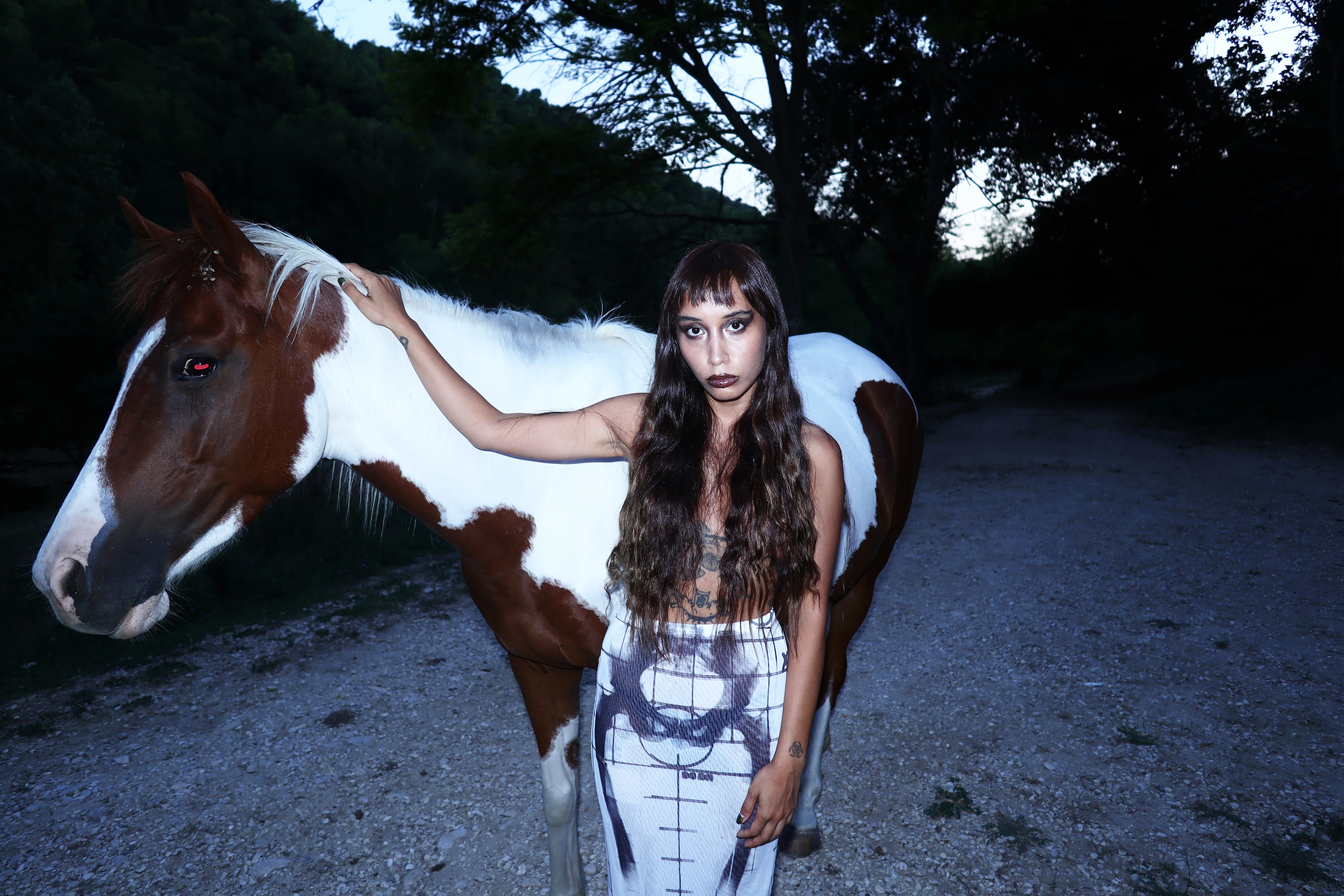
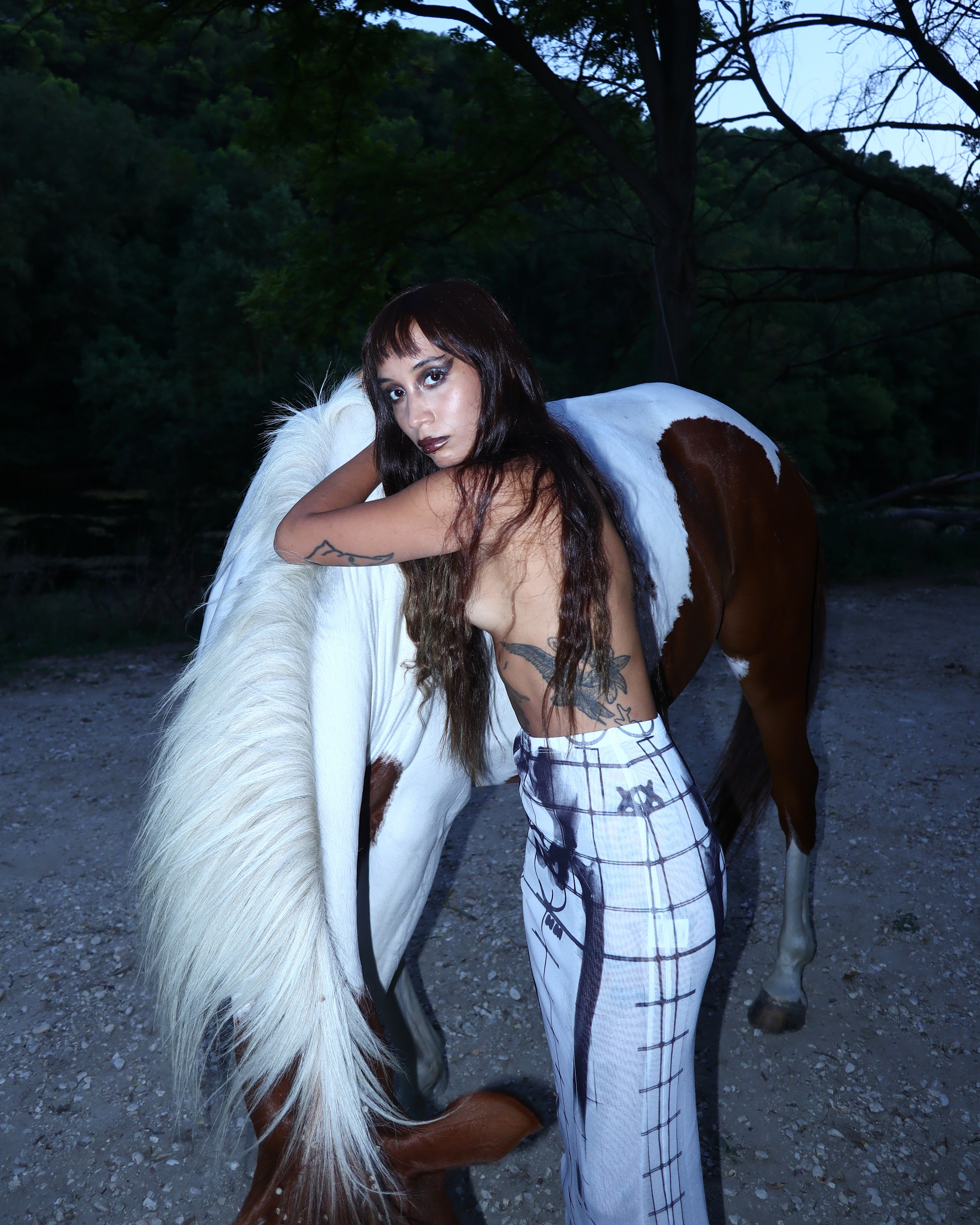
In Vivienne Westwood, Alison becomes the embodiment of radical romanticism.
TWestwood’s tartans, corsets, and draped silhouettes were never about decoration but about declaration—fashion as manifesto.
In the woods, Alison channels this legacy.
Westwood believed in the countryside as political terrain, in clothing as a way to demand change.
Alison gives this belief a new body.
. She is both rebel and romantic, grounded in earth yet blazing with spirit. Through her, Westwood’s activism is not archived history—it is urgent, alive, and present among roots and shadows.

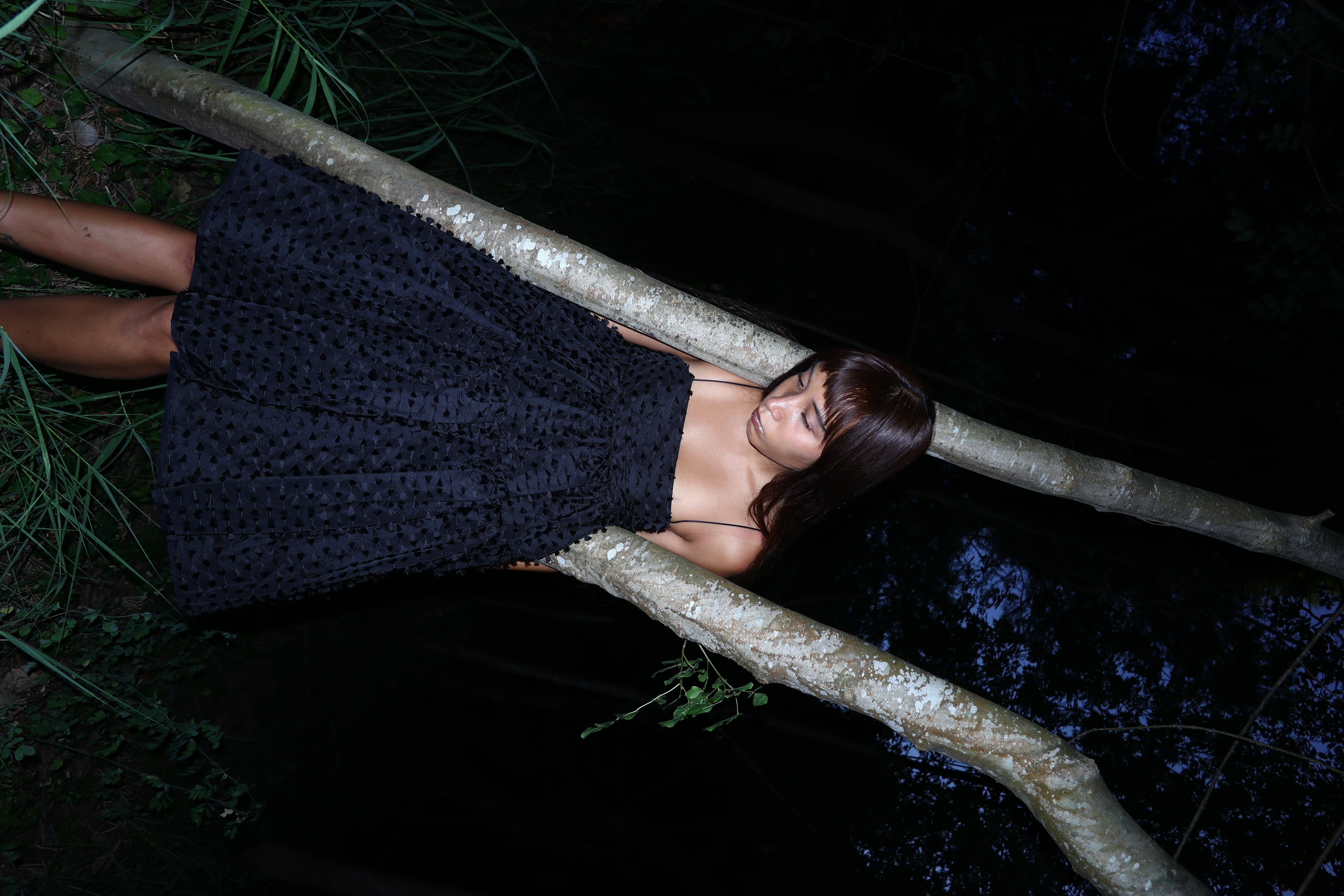
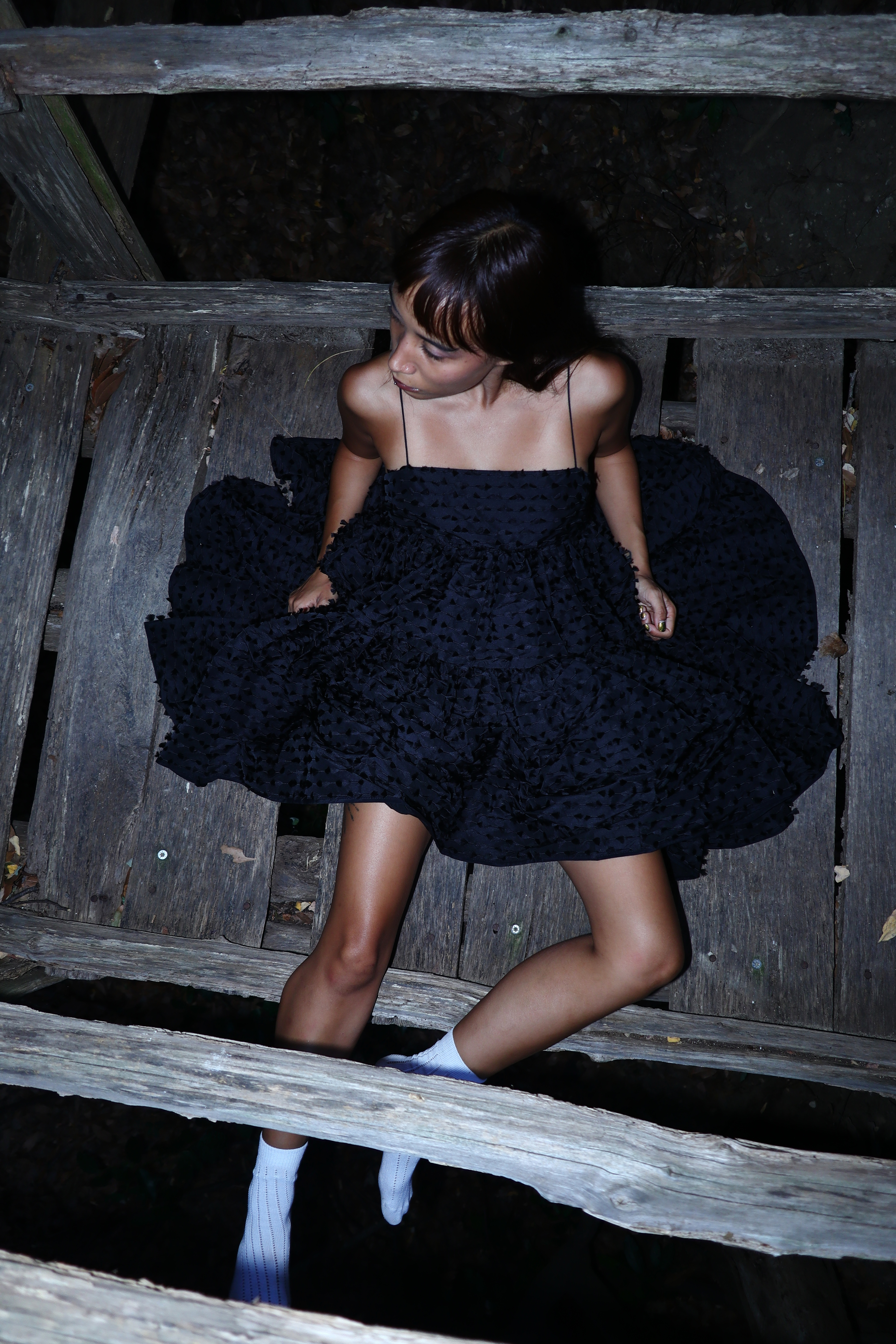
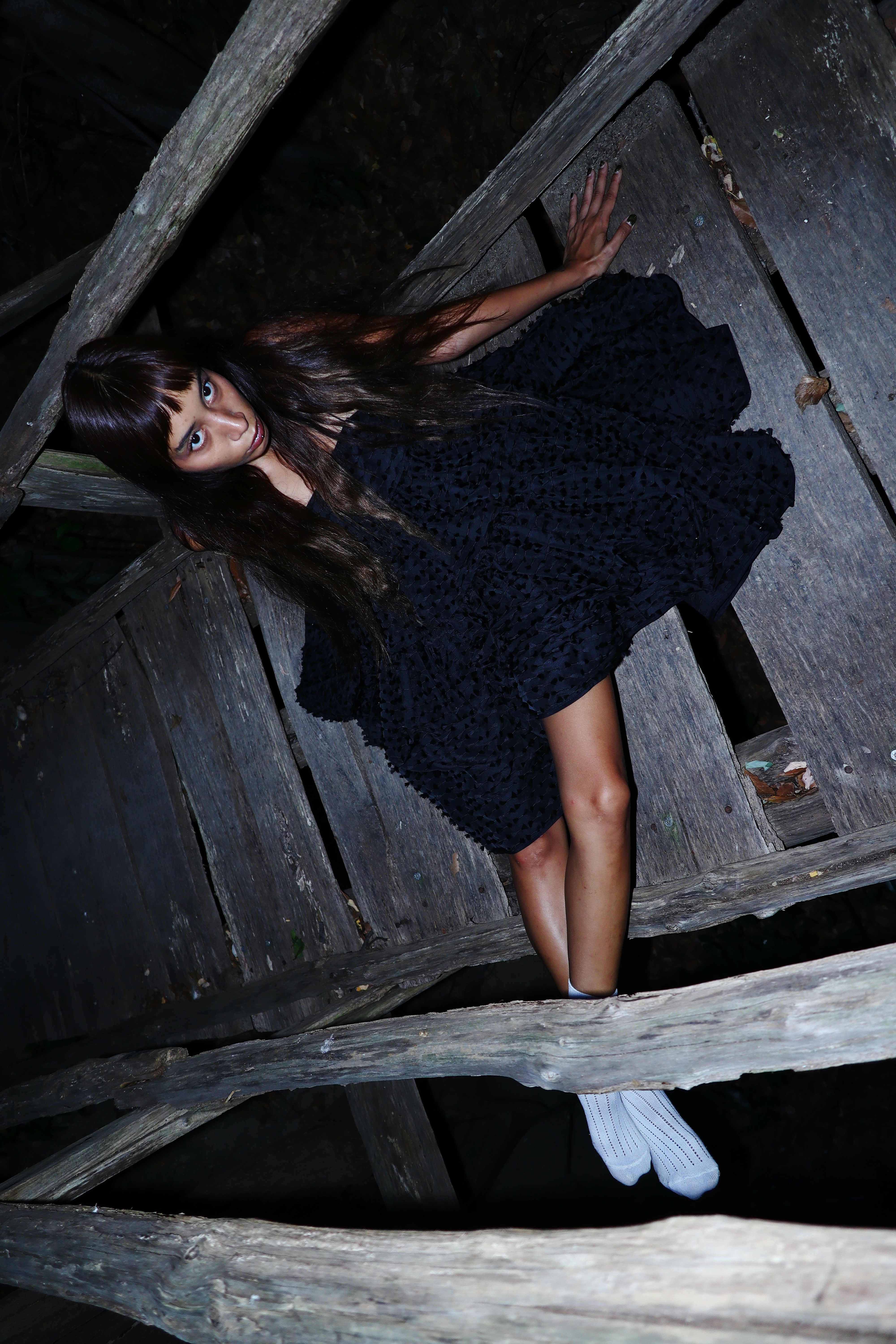
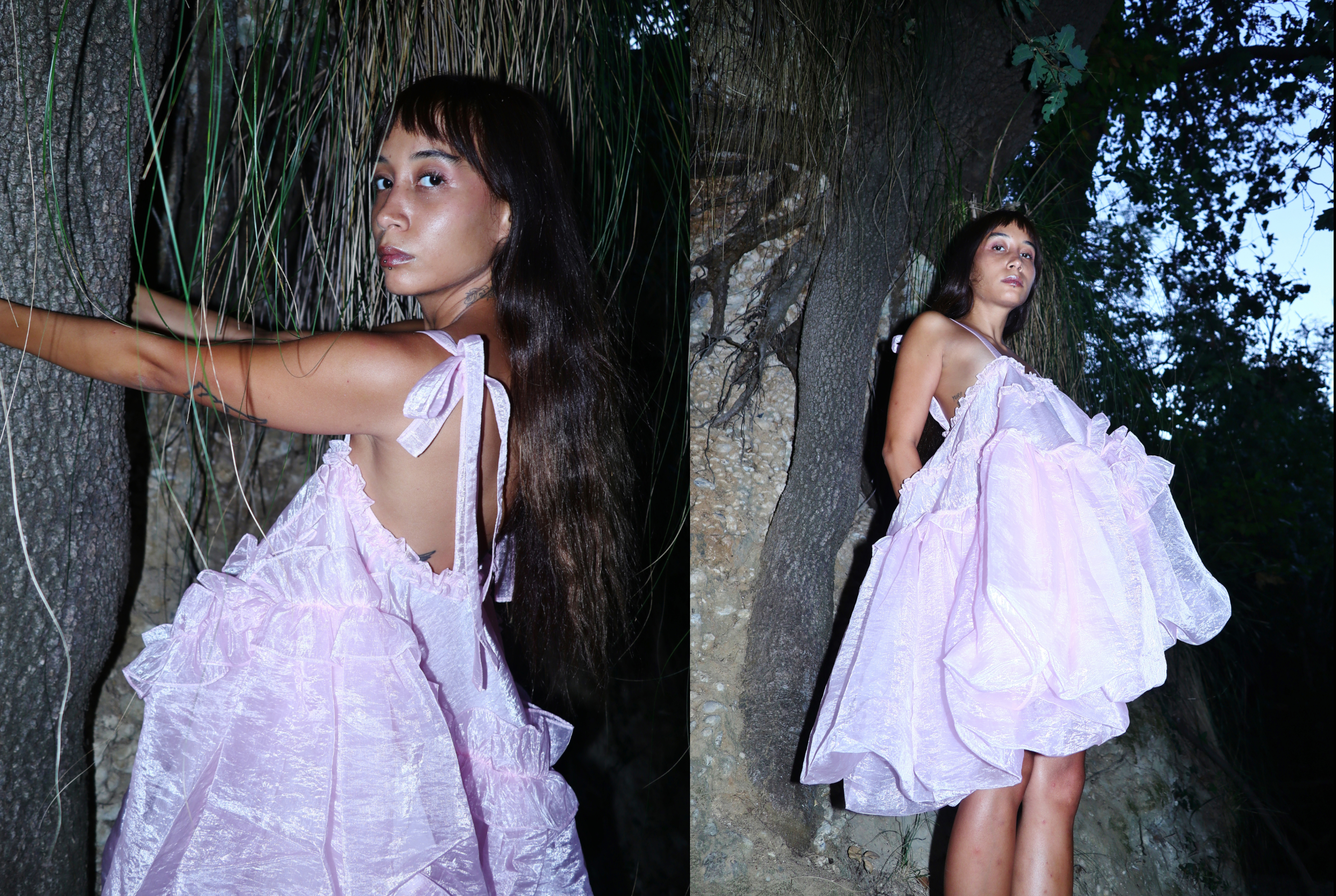
With Jean Paul Gaultier, Alison shifts into spectacle and myth.
Gaultier’s couture has always thrived on disruption—gender, beauty, theatre pushed to extremes. On Alison, this spirit is sharpened: she wears his designs not as costume but as extension, as if the drama of fashion were part of her anatomy.
Against the hush of the woodland, Gaultier’s theatricality becomes ritual. The exaggerated silhouettes echo branches and roots, the gleam of fabric mirrors dusk light on bark. Alison does not soften this vision; she heightens it, transforming the forest into a catwalk where myth and couture fuse.
Through her, Gaultier’s defiance is renewed. It is not stage-bound but earth-bound, not distant but visceral—alive in shadow, mist, and silence.




Do you really want to unsubscribe from our newsletter and not receive The Flamel updates in the future?