If you are a registered user, please enter your email and password.
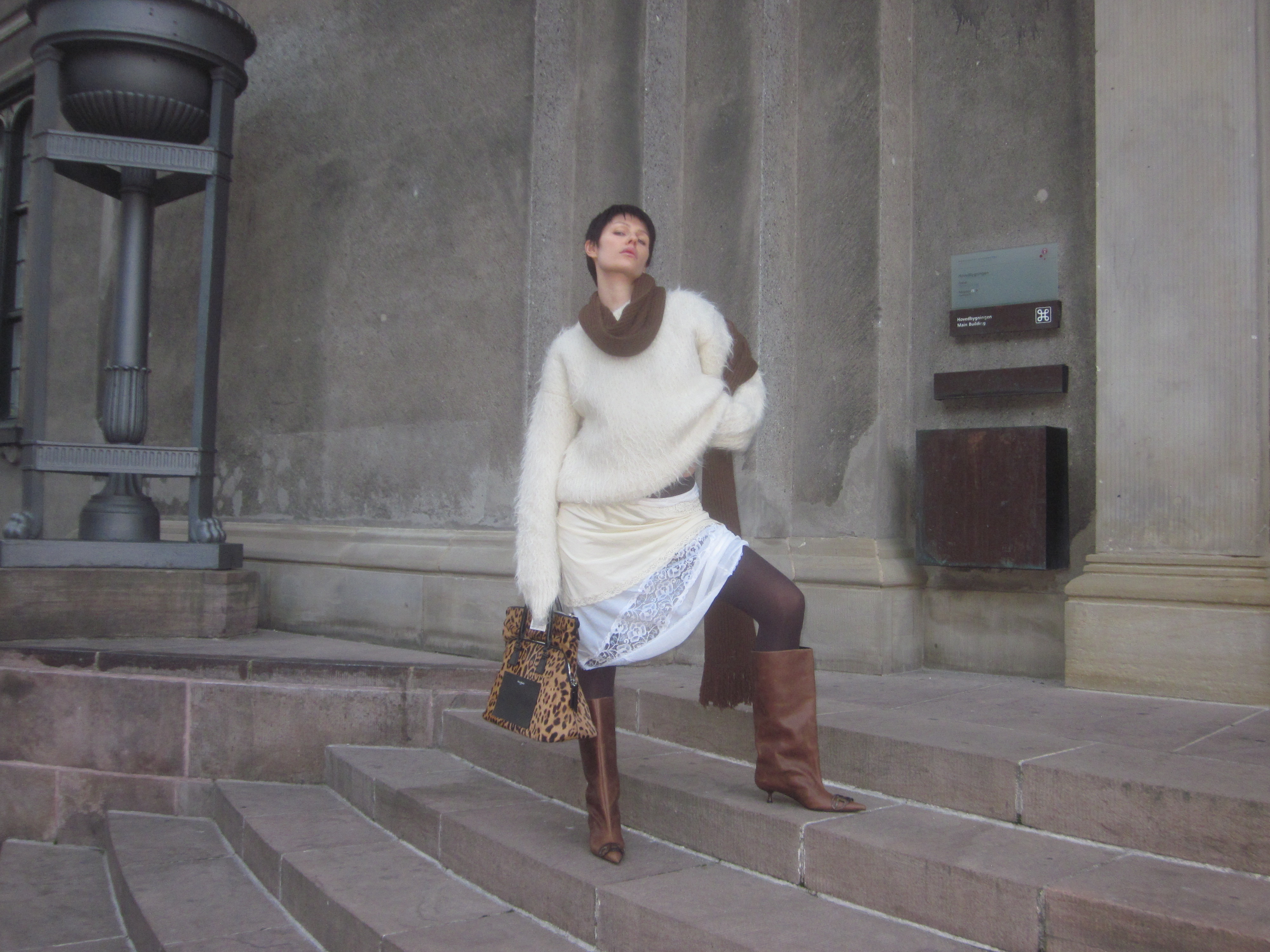
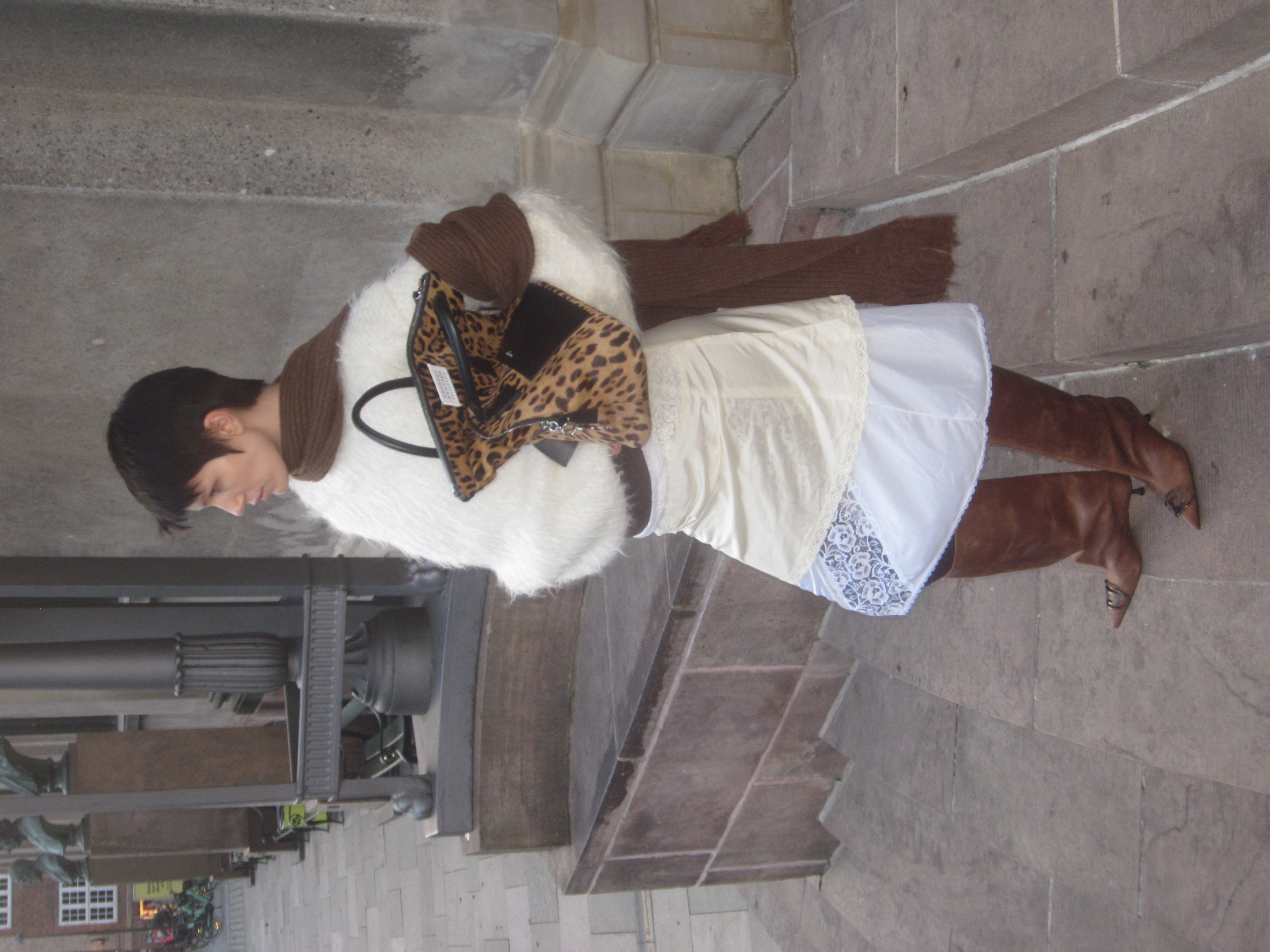
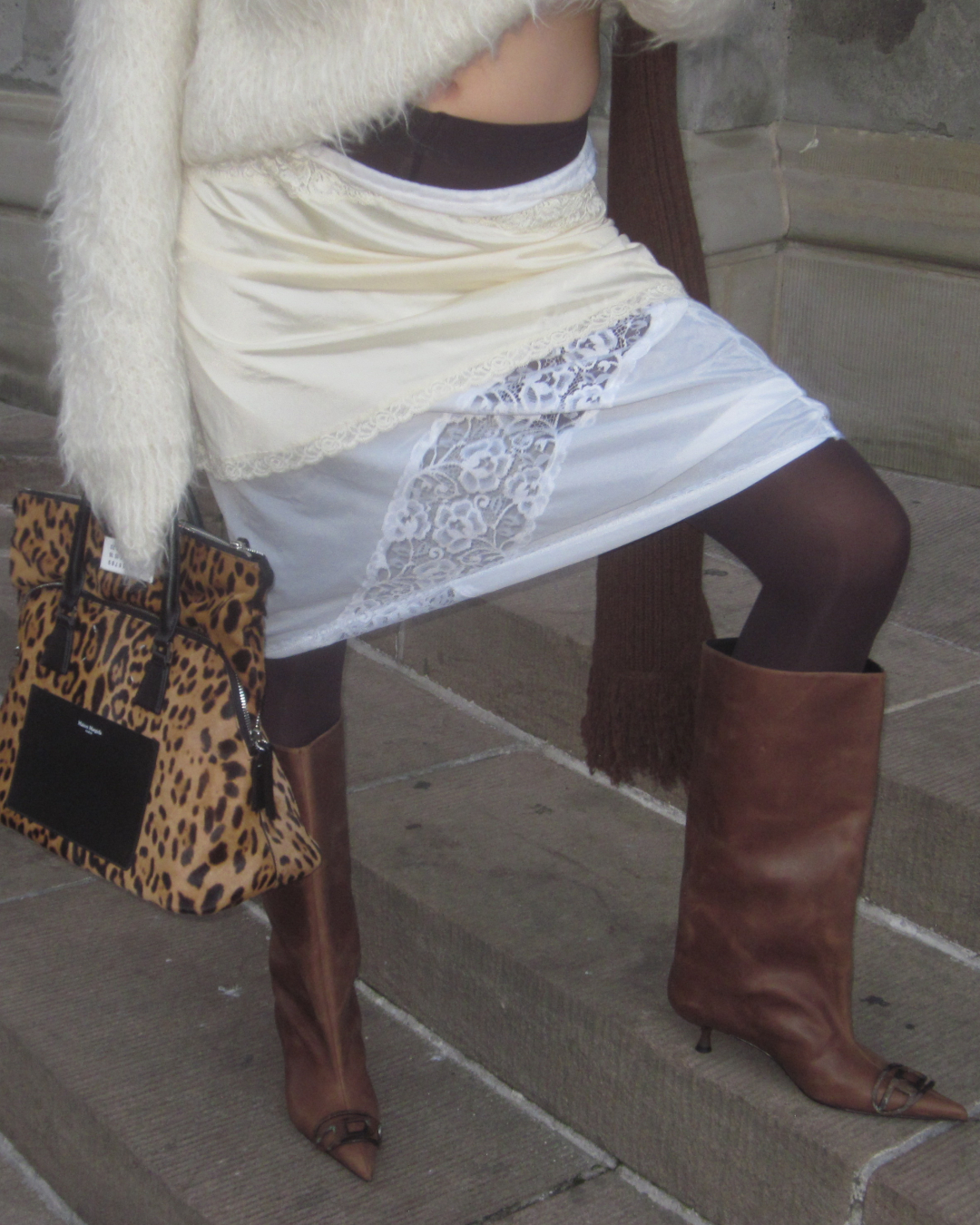
When Sess steps into Maison Margiela and Diesel, a different current runs through her — deeper, sharper, a spark that glows under the surface.
Margiela gives her the brilliance of deconstruction — clothing as thought, as interpretation, as self-awareness.
Diesel adds the heat — a rawness, a pulse that rises from the body before reaching the mind.
On her, this combination doesn’t try to be bold.
It is bold by nature, the way a silent stare can be louder than a shout.
She becomes a flame held inside glass: contained, but unmistakably burning.
There is a sensuality in the way she inhabits these layers — not overt, not styled, but organic.
A soft danger, a beautiful self-possession.
Through Sess, Love Layers of Copenhagen becomes a story about contrasts:
how elegance learns to flirt with rebellion,
how structure makes room for instinct,
how romance grows stronger when it refuses to be predictable.
She walks through the city like a line of poetry written in two languages —
one tender, one wild —
and both undeniably hers.
Copenhagen does not define Sess;
Sess teaches Copenhagen a new way of breathing.
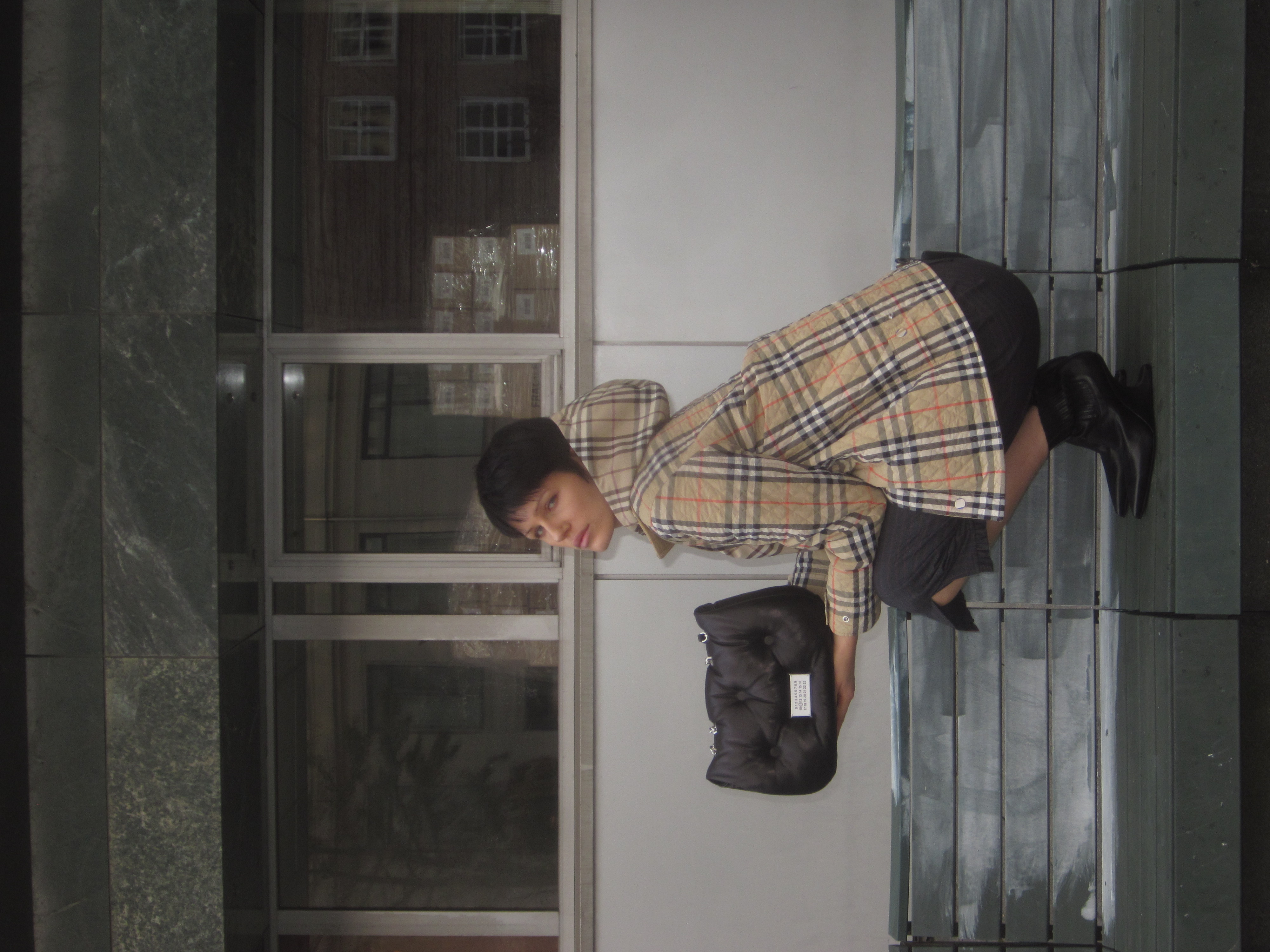
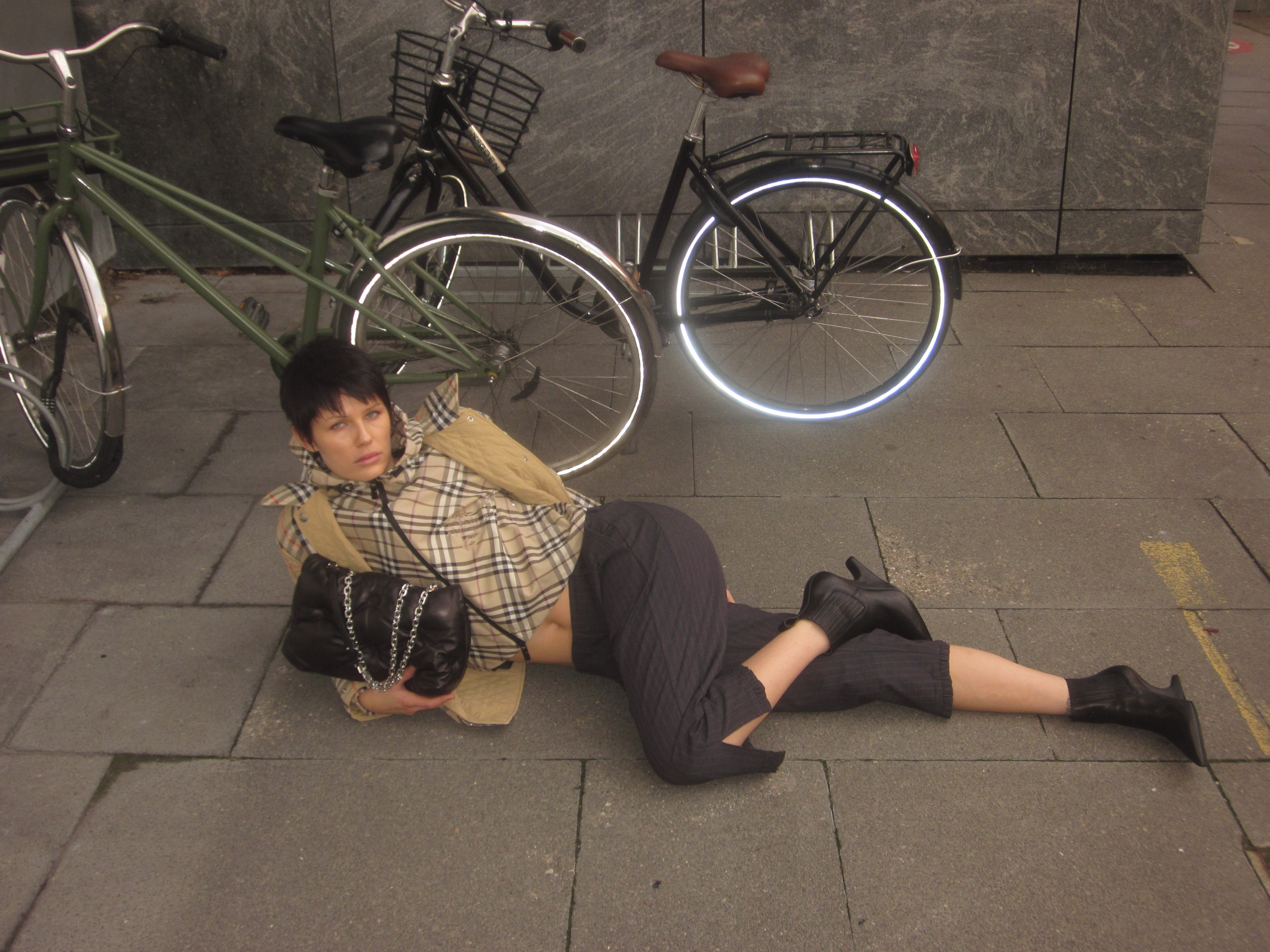
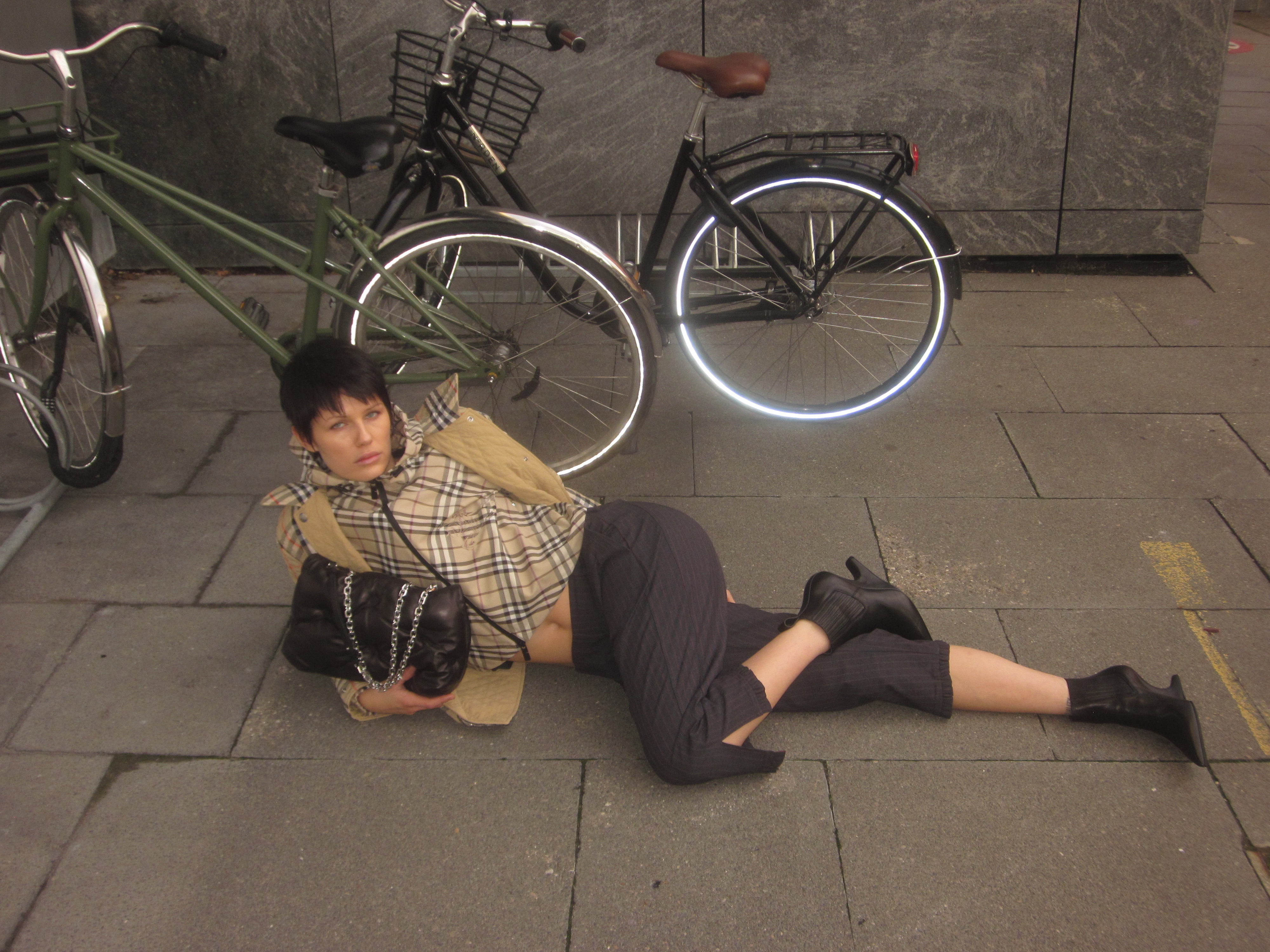
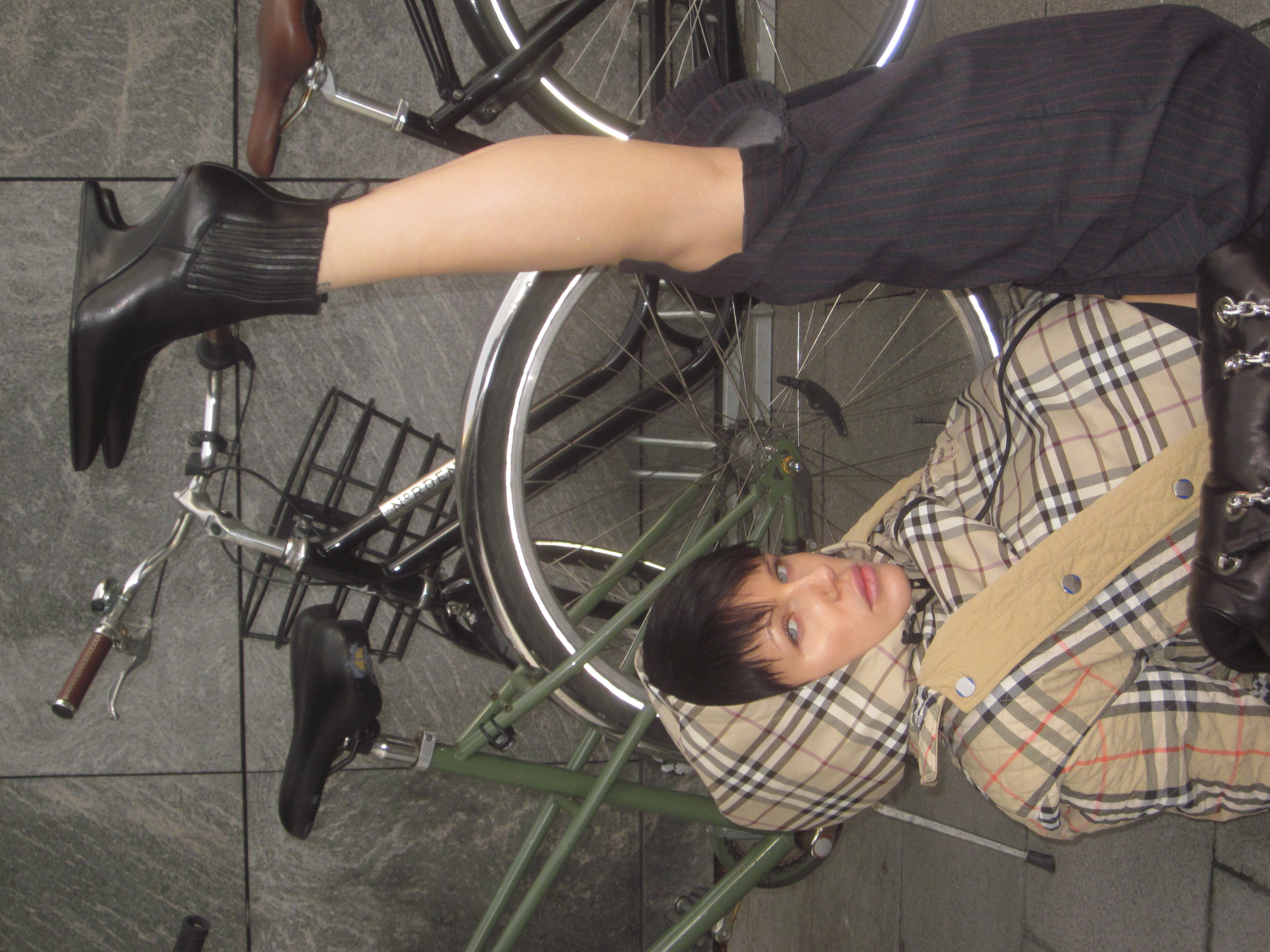
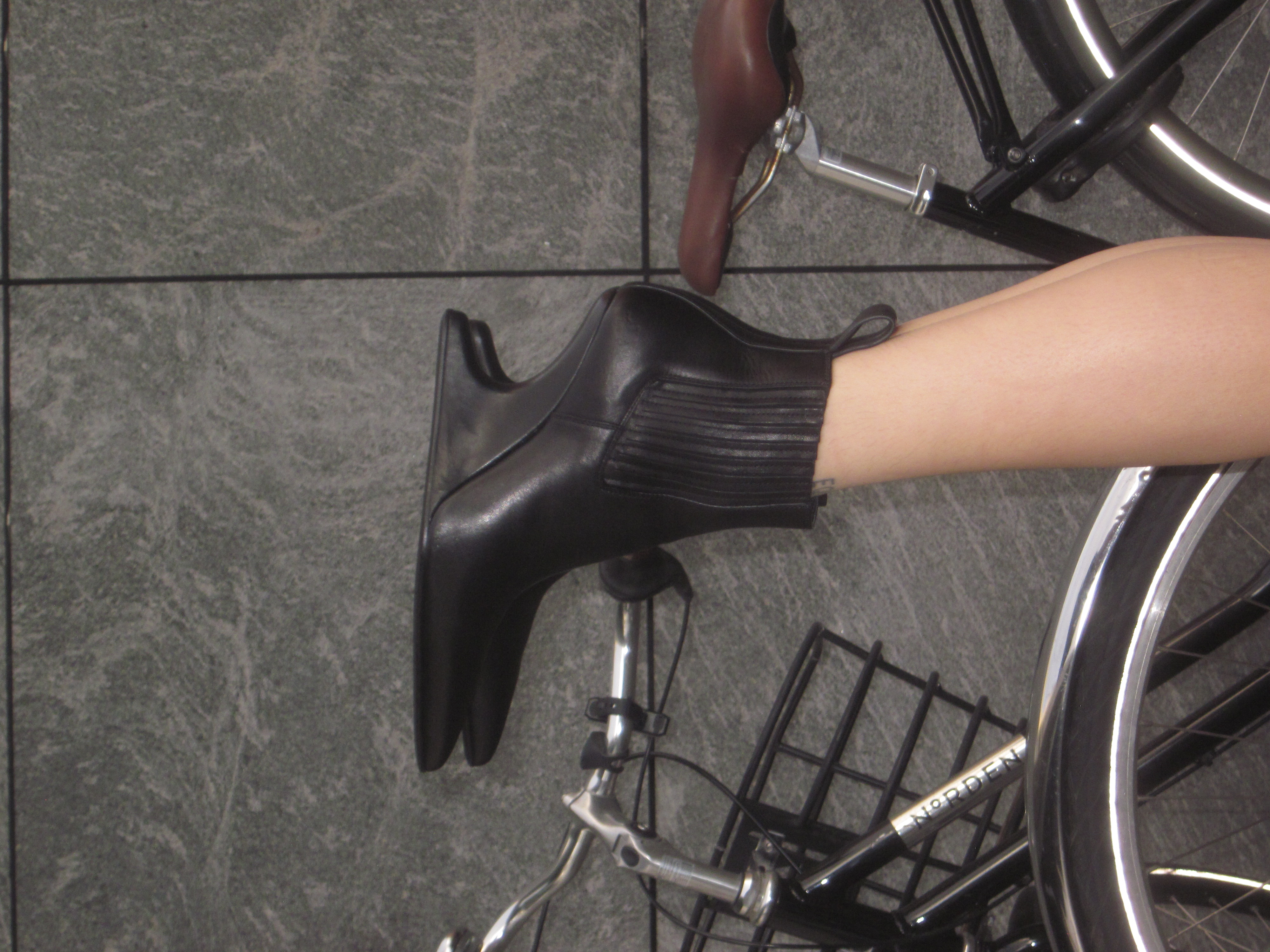
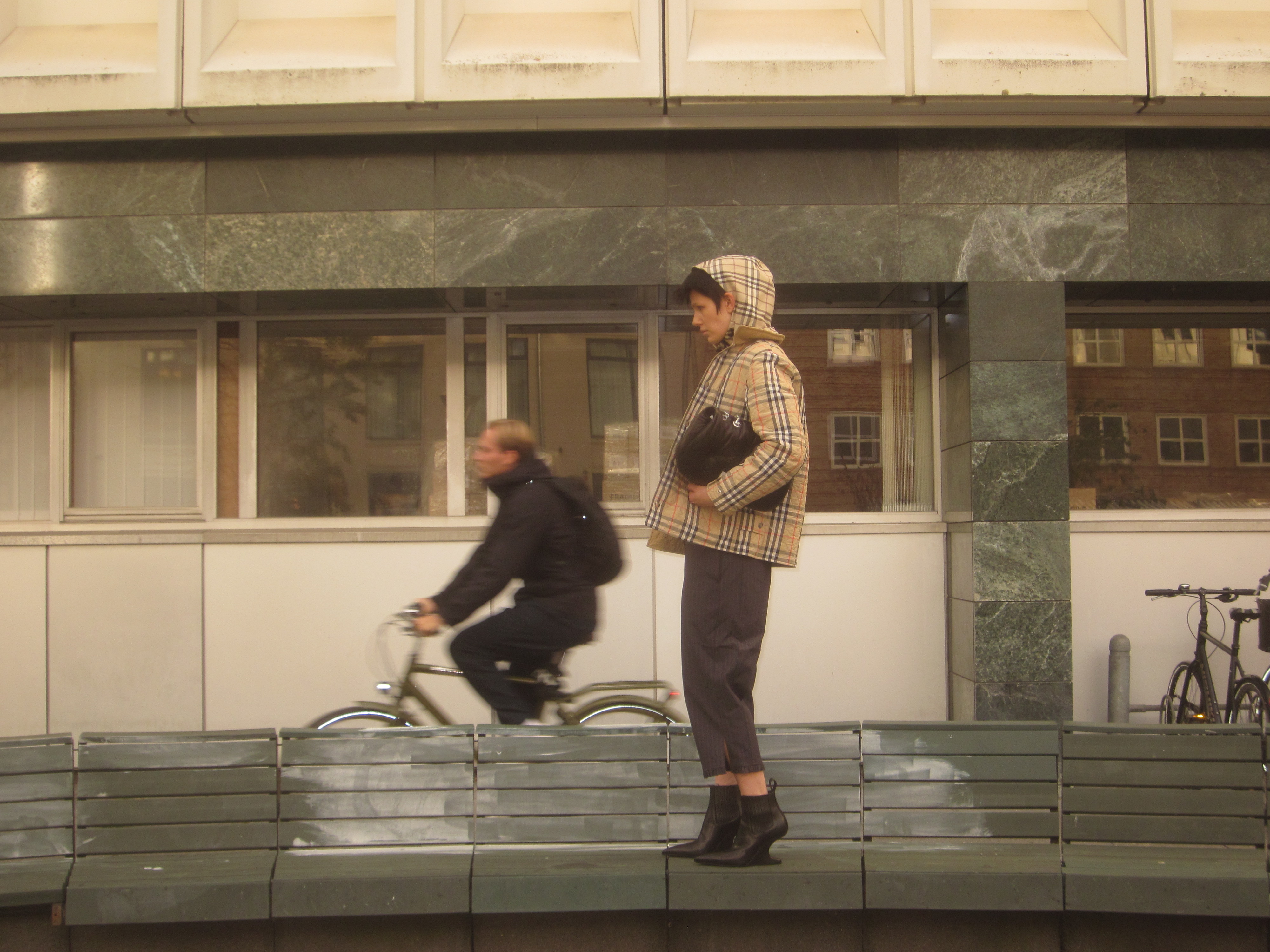
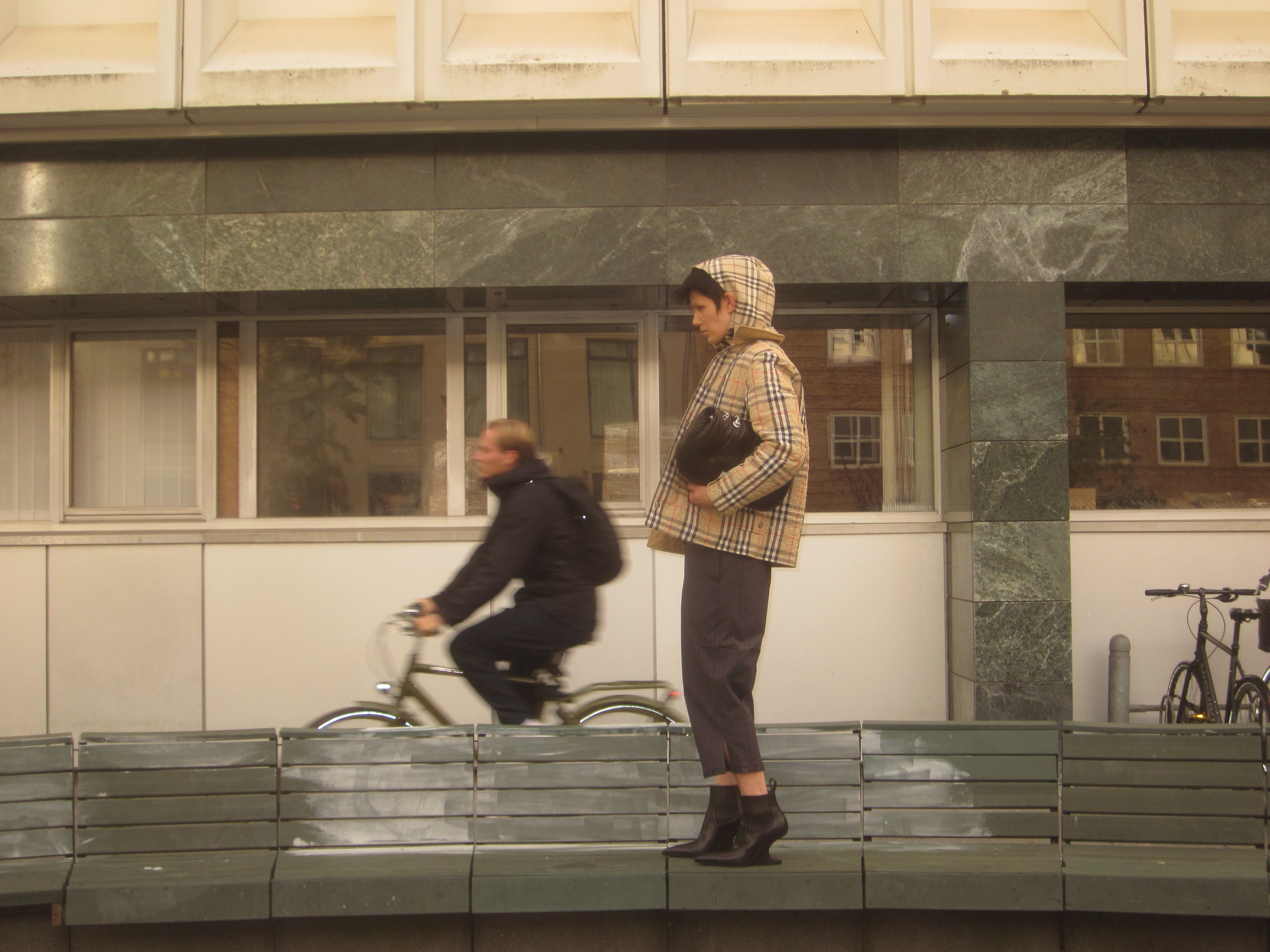
In Burberry and Toteme, Sess becomes the architecture of Copenhagen’s emotional landscape.
Burberry draws the lines — sharp, intentional, gently assertive.
Its structure gives her a silhouette that reads like a sentence written with clarity.
Toteme brings the warmth — wool that reshapes the air around her, colors that soften the morning light, silhouettes that echo Scandinavian calm.
Together, these layers form an emotional language made of ease and presence.
Sess wears them the way she loves:
steadily, without rushing, with a softness that still knows how to stand firm.
There is poetry in the way the fabric moves against her skin,
in how she inhabits the garments rather than letting them define her.
She becomes a suspended moment between seasons —
a quiet autumn, a held breath,
a woman who can turn stillness into charm simply by existing inside it.

Do you really want to unsubscribe from our newsletter and not receive The Flamel updates in the future?